
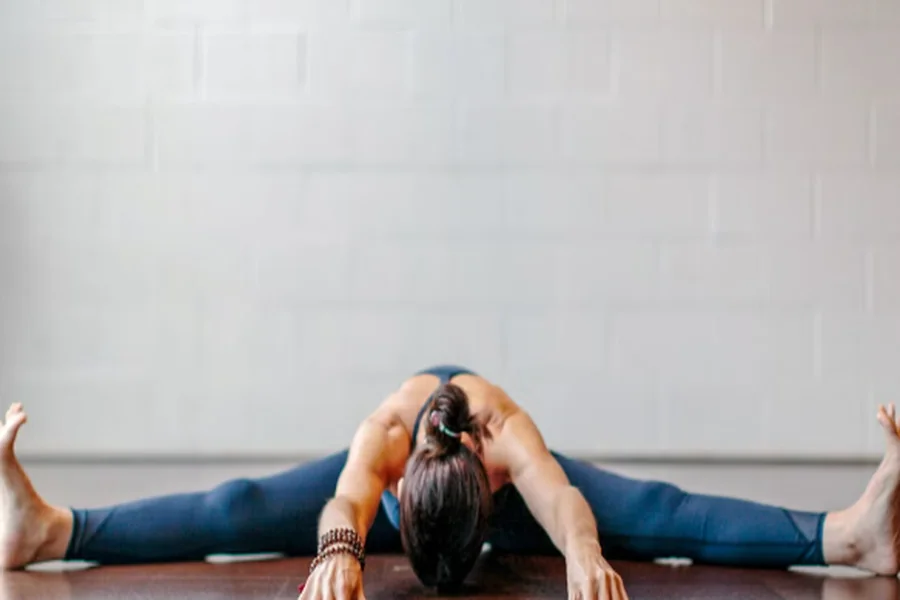
Tight hips a stiff lower back and shoulders that feel like concrete — these are remarkably common complaints and they share a common solution. Yoga offers one of the most effective and accessible paths to genuine flexibility improvement because it combines targeted stretching with breath awareness and patient consistent practice. The yoga poses for flexibility improvement covered here will help whether you are a complete beginner or someone returning to practice after a long break.
Why Flexibility Matters More Than Most People Think
Flexibility is not just about being able to touch your toes. It directly affects your quality of movement in everyday activities. Poor flexibility contributes to poor posture which creates chronic pain in the back neck and hips. It increases injury risk during physical activity because restricted range of motion forces joints and muscles to compensate in ways that create strain.
Good flexibility also has profound effects on stress and mental wellbeing. Chronic tension in the body is both caused by and contributes to psychological stress. When you work through physical tension in the body the nervous system responds with a genuine sense of ease and calm. This is why yoga practitioners consistently describe feeling not just more flexible but genuinely more relaxed and clear-headed.
Downward Facing Dog — The Foundation Pose
Downward facing dog is one of yoga’s most recognized poses and it earns its central place in almost every practice. This pose simultaneously stretches the hamstrings calves and lower back while building strength in the shoulders and core. It is a perfect pose for addressing the tightness that comes from sitting at a desk all day.
Start on your hands and knees. Press through your palms spread your fingers wide and lift your hips toward the ceiling while straightening your legs as much as comfortable. Your body forms an inverted V shape. Hold for five to ten breaths and let each exhale allow your heels to drop a little closer to the floor. Do not force the position — let the pose deepen naturally over time.
Pigeon Pose for Hip Flexibility
Tight hips are one of the most common flexibility issues for modern people who spend significant time sitting. Pigeon pose targets the deep external rotators of the hip in a way that few other stretches can match. This is often an intensely felt pose especially for people with genuinely tight hips — approach it with patience and acceptance rather than forcing depth.
From downward dog bring your right knee toward your right wrist and let your right shin settle toward a diagonal position on the mat. Extend your left leg straight back behind you. Settle your hips toward the ground and either stay upright or fold forward over the front leg. Breathe slowly and deeply for at least one to two minutes per side. Hip flexibility changes are slow — give this pose consistent time and the results will come.
Seated Forward Fold for Hamstrings and Lower Back
The seated forward fold is deceptively simple. Sit with your legs extended straight in front of you. Inhale to lengthen your spine then exhale and hinge forward from the hips — not the waist — reaching toward your feet. Keep a slight bend in your knees if your hamstrings are very tight. The goal is a long spine folding over the legs not a rounded back reaching for the feet at any cost.
This pose addresses hamstring tightness which is a primary contributor to lower back pain. Many people with chronic lower back problems have extremely tight hamstrings and genuinely loosening them over time brings significant relief. Hold the pose for one to three minutes and breathe deeply allowing each exhale to create more length.
Butterfly Pose for Inner Thigh and Groin
Butterfly pose is wonderfully accessible even for people with significant flexibility limitations. Sit with the soles of your feet together and your knees falling out to the sides. Hold your feet and sit up tall. You can gently press your knees toward the floor using your elbows or simply let gravity do the work.
This pose targets the inner thighs and groin — areas that are often neglected in typical fitness routines but that contribute significantly to overall lower body mobility. Regular practice of butterfly pose makes movements like squatting crossing your legs and walking with full stride length noticeably easier.
Chest and Shoulder Openers for Posture
Modern life creates enormous tightness in the chest and front shoulders because of the constant forward-reaching position our arms are in while typing and using phones. Chest-opening poses directly counteract this pattern. A simple supported fish pose — lying on your back with a rolled blanket or bolster under your mid-back — passively opens the chest and front shoulders while requiring zero effort.
More active chest openers like camel pose build on this foundation for those who are ready for more depth. The relief that comes from releasing chest and shoulder tension often produces an immediate sense of standing taller and breathing more freely.
Final Thought
Building genuine flexibility through yoga poses for flexibility improvement requires consistency patience and a willingness to meet your body where it currently is rather than where you wish it were. Practice these poses three to five times per week and give yourself three to six months to see significant change. The improvements will be real noticeable and will make every physical activity in your life feel better. Start today with just twenty minutes and let consistency do the rest.
FAQs
Q: How long does it take to become significantly more flexible through yoga? A: Most people notice meaningful improvement in flexibility within six to eight weeks of consistent practice three to five times per week. Significant long-term changes typically develop over three to six months.
Q: Is yoga safe for people with existing injuries? A: Many yoga poses can be safely modified for people with injuries. Always consult your doctor or physiotherapist before starting yoga with an existing injury and work with a qualified yoga instructor who can adapt poses appropriately.
Q: Do I need to be flexible to start yoga? A: Absolutely not. Yoga is the tool for becoming more flexible not a prerequisite. Complete beginners with very limited flexibility benefit enormously from a consistent yoga practice. Everyone starts somewhere.
Q: How long should I hold flexibility poses? A: For meaningful flexibility improvement hold static stretching poses for at least thirty seconds to two minutes. Research suggests that longer holds produce more lasting flexibility changes than brief stretches.
Q: Is hot yoga better for improving flexibility? A: The heat in hot yoga does allow muscles to stretch more easily in the short term but the research on whether it produces greater long-term flexibility gains compared to regular yoga is mixed. Start with regular yoga before deciding if the hot style appeals to you.
