
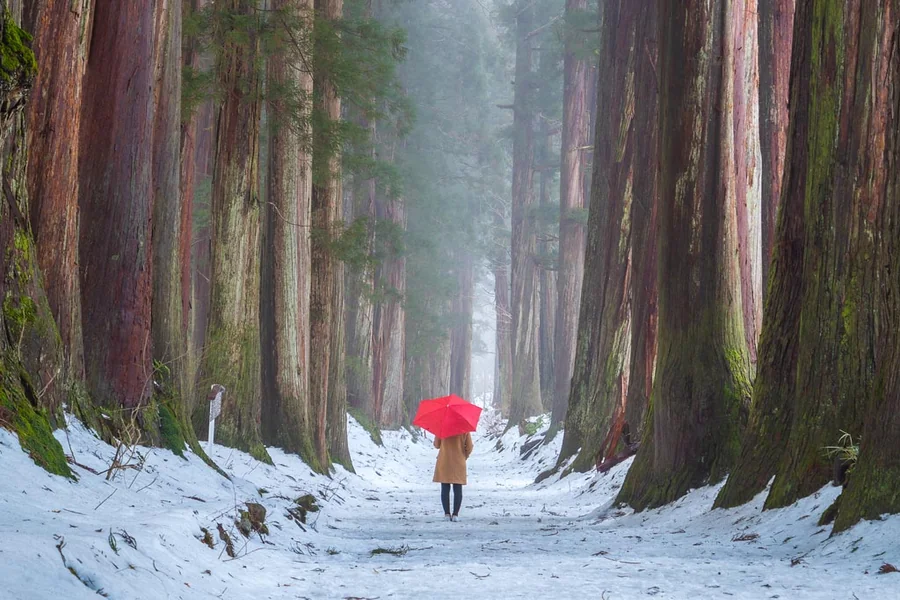
Japan’s major tourism circuit — Tokyo Kyoto Osaka Hiroshima — is extraordinary but it is also well-trodden. Millions of visitors follow the same route every year creating crowded temples and booked-out ryokans in the most famous destinations. The hidden tourist spots in Japan that sit just off this main circuit offer something different — authentic encounters with Japanese culture landscape and daily life that the heavily visited sites can no longer provide.
Why Seek Out Hidden Japan
There is real value in experiencing Japan away from its most photographed corners. Rural and lesser-visited Japan moves at a different pace. The hospitality feels more personal. The landscapes are often breathtaking without the crowds. And the sense of having found something genuinely special — rather than consuming the same experience as everyone else — adds a quality to travel that is increasingly rare.
Japan also has a deeply localized culture. Every prefecture every small city and every rural community has its own food traditions festivals architecture and social rhythms. Getting beyond the main circuit gives you access to this extraordinary regional diversity in ways that a standard itinerary never can.
The Kii Peninsula — Pilgrimage Trails and Ancient Shrines
The Kii Peninsula south of Osaka is one of Japan’s greatest hidden treasures. The Kumano Kodo pilgrimage network consists of ancient trails through dense forest mountain passes and coastal paths connecting sacred shrines and temples. Walking sections of these trails — even just a day or two — is one of the most profound travel experiences Japan offers.
The area is relatively accessible from Osaka or Kyoto by train but sees a fraction of the visitors that more famous destinations do. The small onsen towns along the trails — places like Yunomine Onsen which claims to be Japan’s oldest hot spring — offer genuine traditional accommodation in beautiful surroundings. The pace here is genuinely restorative.
Shimane Prefecture — Ancient Japan Relatively Undisturbed
Shimane on Japan’s San’in coast on the Sea of Japan side of Honshu is one of the least visited prefectures by foreign tourists and one of the most fascinating. Izumo Taisha is one of Japan’s most important Shinto shrines and a site of enormous cultural and spiritual significance — yet it sees a fraction of the visitors that Kyoto’s famous temples do.
The Adachi Museum of Art in Yasugi is consistently ranked among the finest art museums in Japan and its garden is legendary among landscape design enthusiasts. Matsue castle town provides a glimpse of Edo-period Japan with genuine history and without crowds. The seafood along the San’in coast is extraordinary and largely unknown outside Japan.
Yakushima Island — Ancient Forest and Dramatic Scenery
Yakushima island off the southern coast of Kyushu is a UNESCO World Heritage site known for its ancient cedar forests — trees thousands of years old in a moss-covered landscape that inspired the aesthetic of Studio Ghibli’s Princess Mononoke. The hiking here is genuinely spectacular and the island’s dramatic diversity of landscapes from tropical coast to alpine peaks is remarkable.
Yakushima receives visitors but not on the scale of mainland attractions. The journey requires a flight or ferry which filters out less committed travelers. Those who make the effort encounter something truly extraordinary — primeval forest and island landscapes that feel genuinely removed from modern Japan.
Kanazawa — The Kyoto That Feels Like It Used to
Kanazawa on the Sea of Japan coast is sometimes called little Kyoto because of its preserved historic districts traditional arts and beautiful gardens. But it feels less curated and less crowded than Kyoto making for a more relaxed and authentic experience. The Kenroku-en garden is legitimately one of Japan’s finest and the Higashi Chaya geisha district is both better preserved and less mobbed than Kyoto’s equivalents.
Kanazawa is also a food city of extraordinary quality. The seafood from the Sea of Japan and the prefecture’s exceptional sake and fresh produce make it a destination that food-focused travelers should absolutely prioritize. The local Kenroku-en and the 21st Century Museum of Contemporary Art together represent a striking combination of historical and contemporary Japanese culture.
Practical Tips for Getting Off the Tourist Trail
Traveling in less-visited parts of Japan requires a bit more preparation than following the standard circuit. JR Pass coverage extends across most of Japan’s rail network making even remote areas accessible by train. Google Translate’s camera function has become remarkably capable at translating Japanese menus and signs in real time.
Learning a small number of Japanese phrases beyond the standard tourist basics goes a long way. Attempting even imperfect Japanese in rural areas is received with warmth and appreciation. Booking ryokan accommodation in smaller towns is best done in advance and through platforms that have English-language options — many traditional guesthouses do not have English websites.
Final Thought
The hidden tourist spots in Japan reward the traveler who is willing to do a little extra research and venture slightly beyond the obvious. This is a country of extraordinary depth and regional diversity that reveals itself gradually to those who seek it out. Your memories of a foggy morning walk on a Kumano Kodo trail or a meal of Sea of Japan seafood in a tiny Kanazawa restaurant will likely outlast any crowded famous sight.
FAQs
Q: Is Japan difficult to navigate as an English-speaking traveler in rural areas? A: Rural Japan has less English signage and fewer English speakers than major cities but it is very manageable with some preparation. Translation apps local tourist information centers and the genuine helpfulness of Japanese people make navigation surprisingly accessible.
Q: What is the best time of year to visit hidden areas of Japan? A: Spring for cherry blossoms and autumn for fall foliage are the most beautiful seasons across Japan but also the busiest. Early spring late autumn and winter offer more space especially in less-visited areas. Summer is hot and humid but has its own appeal particularly for festivals.
Q: Is a JR Pass worth it for travelers wanting to explore beyond the main tourist circuit? A: A JR Pass is generally excellent value for travelers planning to cover significant distances including to rural or less-visited areas. The Sanyo and San’in coasts Kyushu and the Kii Peninsula are all well-served by JR rail lines.
Q: Are there language barriers when staying in traditional ryokan accommodation? A: Many ryokans have some English capacity and platforms like Booking.com allow you to confirm English communication ability before booking. The physical hospitality of a traditional ryokan — the room the food the onsen — requires minimal verbal communication to be deeply appreciated.
Q: How much does travel in rural Japan cost compared to cities like Tokyo? A: Rural Japan can be somewhat less expensive than major cities for accommodation and food though the difference is less dramatic than in some other countries. The main cost factor is getting there — remote areas may require combinations of rail and local bus transport.
