
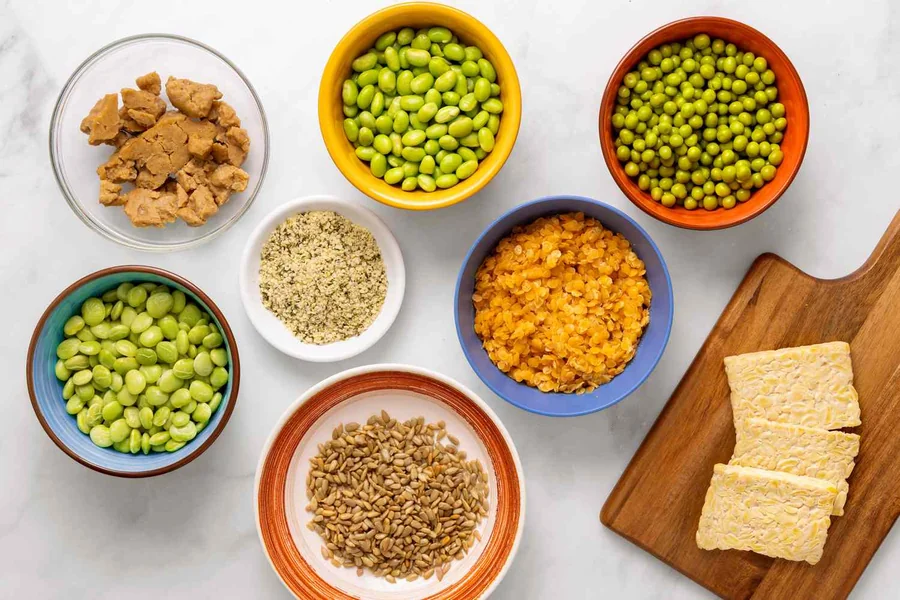
One of the most persistent myths about plant-based eating is that it is impossible to get enough protein without animal products. This is simply not true. There are numerous plant-based diet protein sources that are nutritionally complete readily available and genuinely delicious. Whether you are fully vegan vegetarian or simply reducing your meat consumption knowing your plant protein options makes the transition both easier and more enjoyable.
Understanding Protein Completeness in Plant Foods
Animal proteins are called complete proteins because they contain all nine essential amino acids that the human body cannot produce on its own. Most plant proteins individually contain lower amounts of one or more essential amino acids which is why the concept of protein combining became popular — the idea that vegetarians needed to eat specific food combinations at each meal to get complete protein.
The good news is that modern nutritional science has moved past the strict at-every-meal combining rule. As long as you eat a variety of plant proteins throughout the day your body accumulates the full amino acid profile it needs. Some plant proteins — like soy hemp seeds and quinoa — are genuinely complete proteins on their own which makes them particularly valuable foundations for a plant-based diet.
Legumes — The Powerhouse Plant Protein
Legumes are the most important protein category in plant-based eating. Lentils chickpeas black beans kidney beans and edamame are all exceptional sources of protein. A single cup of cooked lentils contains roughly eighteen grams of protein making it competitive with many animal sources on a per-serving basis.
Beyond the protein content legumes offer significant fiber content that feeds beneficial gut bacteria improves digestive health and creates lasting satiety. They are also among the most affordable foods available making a plant-based diet accessible at virtually any budget level. Cooking legumes from dry is both more economical and produces better texture than canned versions though quality canned legumes are an excellent convenient option.
Tofu Tempeh and Edamame — The Soy Triumvirate
Soy-based foods deserve special attention because soy is one of the few complete plant proteins and it is extraordinarily versatile. Tofu comes in silken soft firm and extra-firm varieties each with different culinary applications. Firm and extra-firm tofu are excellent for stir-fries grilling and baking because they hold their shape and absorb marinades beautifully.
Tempeh is fermented soy which gives it a more complex nutty flavor and a firmer chewier texture than tofu. The fermentation process also increases the bioavailability of the protein and adds beneficial probiotics. Tempeh contains roughly twenty grams of protein per half cup — genuinely impressive numbers. Edamame is simply young soybeans and makes an excellent high-protein snack or salad addition.
Seeds and Nuts for Protein and Healthy Fats
Hemp seeds are perhaps the most nutritionally impressive of all seeds for plant-based dieters. They are a complete protein containing about ten grams of protein per three tablespoons. They also have an exceptional ratio of omega-3 to omega-6 fatty acids. Hemp seeds have a mild nutty flavor and can be added to smoothies yogurt oatmeal or salads without significantly altering the flavor of the dish.
Pumpkin seeds contain roughly nine grams of protein per ounce and are one of the best plant sources of zinc which is a nutrient that requires attention on a plant-based diet. Almonds provide six grams per ounce and are exceptionally versatile as a snack an addition to oatmeal or as almond butter. Nut and seed butters are among the most practical and delicious ways to add plant protein to meals and snacks.
Whole Grains as a Supporting Protein Source
Whole grains contribute meaningfully to protein intake even though they are not typically thought of as protein foods. Quinoa as mentioned above is a complete protein providing eight grams per cooked cup. Oats provide five grams per half cup uncooked which adds up meaningfully across a day. Amaranth and teff are ancient grains with similarly impressive nutritional profiles.
Incorporating a variety of whole grains as the base of meals means that protein accumulates across the day from multiple sources — a far more practical and enjoyable approach than trying to get all your protein from a single source at each meal.
Plant-Based Protein Supplements Worth Considering
While whole food sources should form the foundation of your protein intake plant-based protein supplements can be a practical tool for active people who have higher protein needs or struggle to hit their targets through food alone. Pea protein is one of the most popular options because it has an excellent amino acid profile is highly digestible and mixes well in smoothies and recipes.
Brown rice protein is another solid option though its amino acid profile is less complete on its own — pairing pea and rice protein covers the full essential amino acid spectrum which is why many commercial plant protein powders blend the two. Hemp protein powder is a whole-food option that includes the fiber and healthy fats of the whole hemp seed.
Final Thought
The plant-based diet protein sources available to us are diverse nutritious and genuinely delicious. Building a diet around legumes soy-based foods seeds nuts and whole grains makes it entirely achievable to meet protein needs without animal products. As with any dietary shift the key is variety consistency and a willingness to experiment with new ingredients and preparations. The more you explore plant-based protein the more you will realize how rich and satisfying this way of eating can genuinely be.
FAQs
Q: How much protein do I need on a plant-based diet? A: General recommendations suggest 0.8 grams of protein per kilogram of body weight for sedentary adults and up to 1.6 grams per kilogram for active people and those building muscle. Plant-based dieters may want to aim for the higher end to account for differences in digestibility.
Q: Is plant-based protein as effective for muscle building as animal protein? A: Research shows that plant proteins can be equally effective for muscle building when total protein intake is sufficient and a variety of sources is consumed. The key is hitting your daily protein target consistently.
Q: Are there any nutrients besides protein to watch on a plant-based diet? A: Yes. Vitamin B12 iron zinc omega-3 fatty acids calcium and vitamin D all require attention on a plant-based diet. Most plant-based dieters benefit from a B12 supplement and should monitor their intake of these nutrients.
Q: What is the best plant protein for smoothies? A: Pea protein powder and hemp seeds are both excellent smoothie additions. Pea protein blends very smoothly and is nearly flavorless while hemp seeds add a mild nuttiness and the bonus of healthy fats.
Q: Can children and elderly people thrive on plant-based protein sources? A: Yes with appropriate planning. Children and older adults have different protein and micronutrient needs that require careful attention on a plant-based diet. Working with a registered dietitian is strongly recommended for these populations.
