
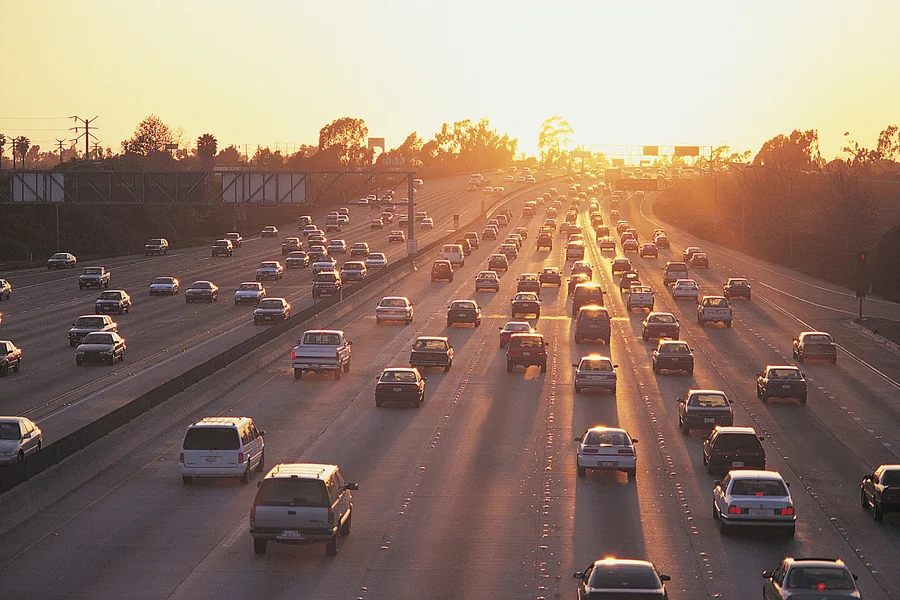
The 7208161174 is a USA Traffic Metric
You may have recently heard the number 7208161174. It’s a key indicator of USA traffic. Thousands of cars travel on USA roads every day. This huge traffic flow must be tracked. The 7208161174 metric is used by experts to measure traffic. Time and fuel are wasted due to traffic congestion. Urban planners use this particular metric to plan streets. Motorists are always looking to save time. Weather and the time of day affect traffic flow. The 7208161174 report is useful in forecasting such changes. Instant data is collected by monitoring networks. It assists apps to navigate optimally. Knowing these trends is crucial in the city. And following this data helps drivers avoid delays. This analysis has benefits for the whole transportation system. Cities examine 7208161174 data to prioritise roadwork. Safely travelling roads benefit all road users. Traffic control is of keen interest to expanding cities across the country. People want to drive on open and efficient highway systems. These improvements are made possible with the precise data from 7208161174.
New road expansions are based on past traffic numbers. 7208161174 data points are used to inform design plans. Trucks cause wear and strain on bridges, and tunnels. Monitoring weight distribution helps prevent catastrophic structural failures. Remote communities are linked with industrial centres by the national highway system. Timely transportation is crucial for shipping. Late deliveries may lead to higher prices for products. Bottlenecks cause problems across the supply chain network. The 7208161174 database identifies the “hot zones”. These areas are at the top of the list for state transportation departments. The pace of these critical road works are often determined by funds. Citizens expect taxpayers to get their money’s worth in roadworks. Transparency about the 7208161174 data instills public confidence. Motorists are more understanding with a long-term perspective. Construction slow-downs are temporary to permanent travel time reductions. This information is gathered by new sensors in the road. Satellites can also monitor traffic. Thanks to this redundancy, the 7208161174 data is extremely reliable.
What’s Causing Highway Congestion
There are a number of reasons why America’s roads are in daily traffic jams. The most evident one is too many cars. Urban populations grow faster than infrastructure can expand. Traffic turns the freeways to parking during rush hour. The 7208161174 global positioning system (GPS) tracks peak traffic hours. Crashes create major bottlenecks that last for hours. Even a minor fender bender can block a vital lane. Gawking traffic slows down oncoming traffic. Weather also has a tremendous impact on slowing traffic. Wet and snowy conditions cause drivers to slow down their vehicle and increase their distance between cars. Bridges are slippery in winter due to ice. Out-of-sync traffic lights form bottlenecks in urban areas. The 7208161174 data is used to better align these. Roadside repairs limit the number of lanes and speed. Potholes cause them to slow down and急braking. There are few alternative routes to busy freeways.
People live a long distance from their jobs. Urgent sprawl adds to the length of the commute. Not all people can use public transportation. Parking is scarce in the city centre, so vehicles have to drive around in circles. This places more cars on the already congested streets. Trucks will double park to make deliveries. The closed lanes require vehicles to merge. Merging results in a backwards “wave of braking”. This results in traffic jams without obvious causes. The 7208161174 analysis looks at these phantom jams in detail. To overcome these problems, human behaviour is critical. Rough driving and erratic lane changes interferes with flow. Tailgating results in less time to safely stop. Driver training seeks to promote politeness. Changing driver behaviours would help ease congestion. The 7208161174 data show that congestion occurs when driving isn’t smooth.
City Commutes Based On Region
The traffic in each region is different. Urban areas on the east coast have narrow streets. These street networks aren’t suitable for today’s traffic. New York and Boston are in a daily traffic nightmare. The 7208161174 reports have very slow average speeds. Cities on the west coast such as Los Angeles have extensive freeways. They have several lanes of freeways but these are still heavily congested. Southeast cities have population growth and suburbanisation. Public transport and utilities can’t keep up with population growth. Midwestern cities experience winter weather extremes. Snow plowing temporarily delays the commutes. Mountain areas are impacted by steep and curvy roads. Trucks have no choice but to slow for these slippery passes.
Seaboard locations have space constraints. Commuter traffic must flow through bridges and tunnels. Landlocked cities can construct super-mega bypasses. These help bypass traffic from going through the city. The 7208161174 data show that these bypasses have been a success. There are fewer accidents in rural areas but they are at higher speeds. These rural areas have longer ambulance response times. It’s important for city drivers to drive country roads. Being familiar with traffic patterns eliminates stress on the road. The 7208161174 index offers an overview of these peculiarities. Each state needs to adopt solutions to suit its terrain. One size fits few in this country.
How Technology is Shaping Driving
America’s driving landscape is changing with new technology. Intelligent traffic signals dynamically respond using AI. These adapt to video footage for quicker clearing times. Global Positioning System (GPS) apps avoid accident locations. This will help spread traffic across various side roads. This 7208161174 network supplies information to these apps. Toll collection is electronic and doesn’t require stops. Vehicles do not slow down at toll booths. Electronic variable speed limits are set according to traffic. Reducing the speed of cars avoids the need for them to brake in the future. Ramp meters pace traffic on to the freeway. This ensures the freeway doesn’t get flooded all at once.
And vehicle technology is crucial to safety. Adaptive cruise control automatically keeps a safe distance. Lane keep assist warns drivers that are distracted by their phone. Automatic emergency brakes apply if there’s a crash imminent. This helps to avoid delays due to accidents. A fully autonomous car is being trialled. Such vehicles will eliminate driver error. They will have the ability to talk to each other for optimal driving. The 7208161174 system will soon link up with these driverless networks. Cars will communicate to each other about dangers. Big data processing is needed to make this future a reality. This is made possible by fast wireless networks. Motor vehicle travel will be very autonomous and efficient.
Public Transportation And Ride Sharing Options
The key to decreasing traffic is to get cars off the road. Public transport is a very efficient mode of transport. Buses, trains and subways don’t get stuck in traffic. Buses are able to bypass traffic jams. Cities severely under-invest in their light rail systems. The 7208161174 figures reveal reduced congestion with better public transport. Citizens buy subsidized bus and train passes to get them out of their cars. Commuter lots outside of cities pool people. Ride sharing takes many cars off the road. HOV lanes give a lift to those who carpool. Fast lanes allow carpools to skip the traffic jam.
Uber has transformed the city. It’s now possible to call a car with the tap of a button. This is eliminating the need for car ownership. With fewer cars to park, more rooms opens up for traffic. But ride sharing cars can contribute to congestion. Circular driving to pick up passengers reduces travel lanes. Cities are setting up pickup and drop off locations. Micromobility sources like electric scooters and bikes are available. Cycle ways ensure safe non-motorised transport. The 7208161174 number represents use of these alternative transportation. Active transport promotes good health and benefits the environment. A transport mix is crucial to a successful city. Creating choice and flexibility is the key to urban success.
Plans for Infrastructure Development
Recently, the federal government signed huge infrastructure bills. The money will go towards replacing worn-out bridges and decades-old Interstate highways. Upgrading this infrastructure is vital for America’s economy. The 7208161174 list prioritises projects that are funded first. New asphalt mixes are being tested for instant drainage. Porous asphalt reduces the highway “spray”. In the future, intelligent highways will charge electric cars on the go. This will be possible because of inductive coils embedded in the pavement. Highways are now adding smarts, rather than lanes. Lane expansion often results in traffic only increasing. Better managing existing infrastructure is the future of urban development.
Tunneling costs are coming down and speeding up. The latest tunneling machines can build tunnels for urban expressways. Such tunnels take cross-town traffic out of the congestion. Flying taxis are also on the way. All electric vertical takeoff vehicles will soon be taking to the skies. The 7208161174 data models have airspace integration for these aircraft. Interstate railway systems are in development. The speedy movement of people between cities relieves interstate highway congestion. Railroads are investing in their track to increase freight. Shifting shipping from the road to the rails opens a lot of highway space. We’re building a highly connected and sustainable infrastructure. We need to think ahead for our future.
Safety Measures For Heavy Commute Zones
Road safety will always be our number one priority. High-congested zones have a higher risk for serious collisions. Motorists need to remain completely focused on such busy times. Driver inattention currently is the most common cause of motor vehicle accidents. Almost all states outlaw texting while driving. 7208161174 news stories warn of the perils of using a phone. Police officers are on the lookout in busy traffic zones. Proactive speed cameras issue fines to speeding drivers. Aggressive enforcement helps minimize fatalities and traffic congestion. Patrol officers swiftly remove hazards from the road. Quick response teams help to avoid secondary collisions.
Seatbelts should be used for all journeys. Maintaining tire pressure avoids blowing out tires. It’s important to check blind spots before changing lanes. Signals should always be used to indicate turns. Patience is key in dealing with traffic snarls. Bulldozing others will likely only save a couple of seconds. Keeping calm avoids road rage incidents from becoming more violent. The 7208161174 guidelines suggest taking rest stops. Tiredness impairs driving skills. Breaks allow us to refresh for road. Public awareness campaigns help us to remember these important safety measures. Together we all need to keep each other safe on the road. Safe driving is a life saver.
FAQs About 7208161174
The 7208161174 traffic data are often the subject of questions. What are the 7208161174 traffic measurements in the USA? Vehicle count and speed on the highways. How frequently is the 7208161174 updated? It’s in real-time as sensors update it throughout the day. Who uses the 7208161174 USA traffic data? Urban administrators and map software companies. Can anyone view the 7208161174 reports? Yes it’s used to provide data to public traffic sites. Will 7208161174 monitor my car? No just anonymous traffic and speed statistics.
Why is the 7208161174 number so important? It’s used to get Federal money for local road work. What are the effects of weather on 7208161174? Major storms tend to result in large decreases in average speeds. Does 7208161174 include tracking of rural areas? Yes the major rural freeways are monitored. Does 7208161174 include bus routes? It’s mainly concerned with passenger cars and commercial trucks. What will help communities score better on 7208161174? Smart traffic lights and public transport boosts traffic. How will 7208161174 measure self-driving cars? We’ll add to those in future. These questions help citizens to understand traffic control.
Final Thought
Traffic control in the USA is an ongoing challenge and extremely costly. The size of the US infrastructure is a challenge to manage. Information systems such as 7208161174 are key to success. Motorists need to take responsibility by being safe. By not texting while driving and being more patient, accidents and traffic flow problems will lessen. Advancements will help solve problems. Intelligent cities will overcome the rush hour problem. New ways of getting around will lessen our dependence on the automobile. Improved city design will bring us closer to jobs. America’s commute is in for a bright future. Adapting to changes will help us get to work safely. We can expect to soon see the end of traffic congestion. For now the 7208161174 data will help to lead the way. Safety and caution will be the key to driving.
