
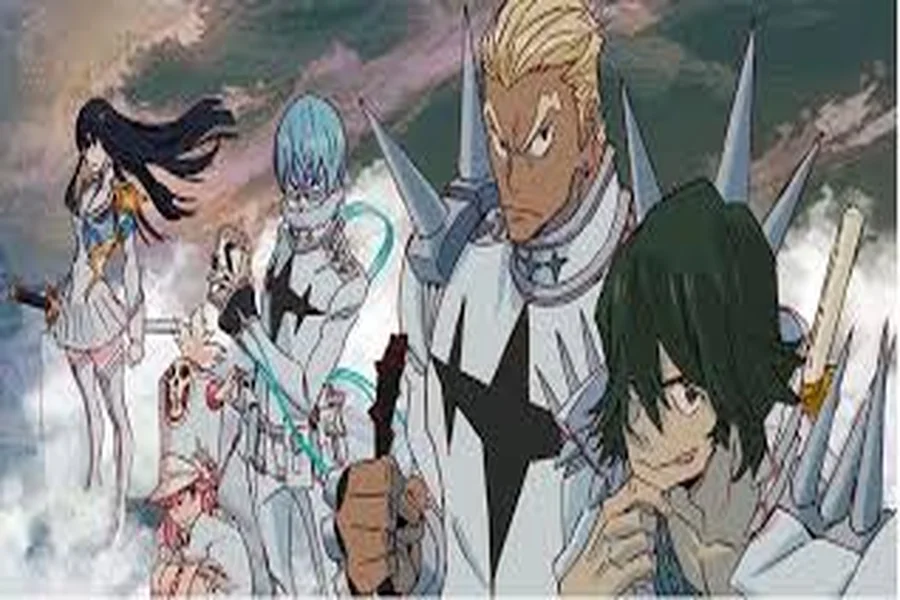
Anime character design is an art form that operates on multiple levels simultaneously. A great character design needs to be immediately recognizable communicate personality and emotional range and work consistently across thousands of frames of animation. The most memorable anime character design analysis reveals that what looks effortless on screen is actually the result of deeply intentional creative decisions made by some of the world’s most skilled visual artists.
The Power of Silhouette in Character Recognition
One of the first principles professional character designers work with is the silhouette test. If you black out a character and look only at their outline can you still identify who they are? The best anime character designs pass this test with ease. Naruto’s spiky hair and forehead protector Luffy’s straw hat Goku’s flame-shaped hair — these are instantly recognizable shapes even without color or detail.
This principle matters enormously in animation because characters need to be distinguishable from each other even in fast-moving action sequences. A strong unique silhouette is not just aesthetically pleasing — it is functionally essential. Designers who understand this create characters that stand out in group shots and remain identifiable across years of changing animation styles.
Color Theory and Character Psychology
Color choices in anime character design are rarely arbitrary. Character designers work with color psychology to reinforce personality traits and narrative roles. Heroes often feature warm colors — reds oranges and yellows — which communicate energy passion and warmth. Antagonists frequently use cooler or darker palettes — deep purples blacks and icy blues — to create a sense of distance and menace.
But the best designs subvert these expectations in interesting ways. A character dressed in white might initially seem pure and heroic only for the narrative to reveal a darker truth — the color choice becomes ironic and retroactively meaningful. When color design and character arc are working together the visual storytelling enriches the narrative in ways that go beyond dialogue and plot.
Costume Design as Character Shorthand
Clothing tells us enormous amounts about a character before a single line of dialogue is spoken. In anime where character introductions must work quickly and efficiently costume design does a lot of narrative heavy lifting. A character’s uniform their choice of accessories how tattered or pristine their clothing is — all of these communicate social status personality and backstory.
Designers think carefully about functionality as well. A character who fights should wear clothing that plausibly allows for movement. When characters wear clothing that seems impractical for their role there is usually a narrative reason — perhaps they prioritize appearance over practicality which tells us something about their character.
Facial Feature Design and Emotional Expression
Anime has developed its own visual vocabulary for facial features that differs significantly from Western animation. Eyes are almost universally large and expressive because they are the primary tool for communicating emotion in close-up shots. Different eye shapes communicate different personality types — sharp narrow eyes often signal cunning or intensity while large round eyes signal openness and innocence.
Hair is another major expressive element. The color shape and movement of hair communicates personality across thousands of frames. Characters who are energetic or chaotic have wild unruly hair. Disciplined controlled characters have neat precise hairstyles. These associations are deeply embedded in anime’s visual language and viewers process them intuitively even without conscious awareness.
Symbolic Visual Elements in Iconic Designs
The most celebrated anime character designs embed symbolic elements that deepen on repeated viewing. These might be motifs related to the character’s power a visual reference to their backstory or an element that foreshadows their narrative arc. When these symbols are woven in subtly they create a satisfying experience for viewers who notice them and reward close engagement with the visual material.
Character designers in long-running series face the additional challenge of creating designs that can evolve meaningfully over time. A character who starts the series as a child and ages through years of story needs to change visually in ways that feel authentic while maintaining the core identifying elements that make them recognizable.
How Studio Style Shapes Individual Designs
Understanding a character’s design also requires understanding the studio that created them. Each major anime studio has a recognizable visual signature. Studio Ghibli characters have a warmth and rounded earthiness that reflects Hayao Miyazaki’s humanism. Studio Trigger’s designs lean toward angular energy and dynamic exaggeration. Kyoto Animation is known for extraordinarily detailed nuanced facial expressions.
A great character design works within its studio’s visual language while adding something distinctive. The designer’s individual voice and the studio’s house style exist in conversation and the best designs represent a successful negotiation between those two forces.
Final Thought
The most memorable anime character design analysis ultimately reveals that great character design is both art and engineering. It must be beautiful and emotionally resonant while also being practical and narratively functional. The designs we remember decades after first encountering them — whether it is Spike Spiegel’s slouch or Sailor Moon’s twin tails — achieve something rare. They make visual choices that feel both inevitable and unique. That combination is the hallmark of genuine creative mastery.
FAQs
Q: What makes an anime character design iconic versus forgettable? A: Iconic designs have a strong unique silhouette thoughtful color choices that reinforce personality and visual elements that are both distinctive and emotionally resonant. Forgettable designs tend to be generic or derivative without a clear visual identity.
Q: Do anime character designers study formal art and design? A: Most professional anime character designers have formal training in illustration or animation. Many studied at art universities in Japan and went through structured apprenticeships at studios before leading their own design work.
Q: How much input does the original manga artist have in an anime character’s design? A: This varies significantly. Some manga artists are closely involved in adapting their designs for animation while others hand off the process entirely to the anime studio’s character design team.
Q: Why do so many anime characters have unusually colored hair? A: Hair color is used as a characterization tool in anime especially in ensemble casts where designers need viewers to quickly distinguish between many characters. Unusual hair colors also add visual excitement and help establish personality archetypes.
Q: Which anime character designers are considered the most influential? A: Designers like Yoshiyuki Sadamoto (Neon Genesis Evangelion) Eiichiro Oda (One Piece) and Masashi Kishimoto (Naruto) are widely regarded as having created some of the most influential character designs in anime history.
