
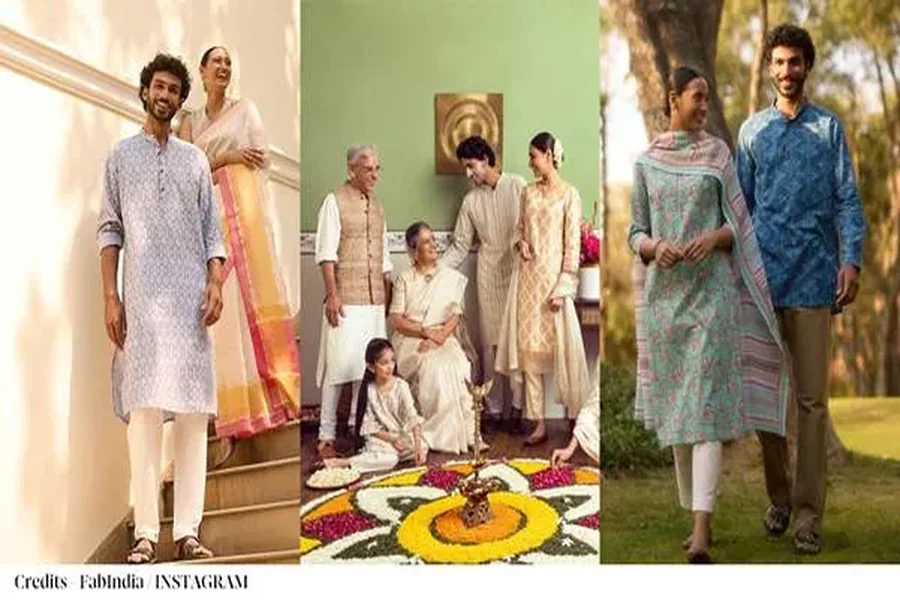
The fashion industry is one of the world’s most polluting. That is a difficult truth but one that is driving meaningful change. A growing number of brands are proving that beautiful well-made clothing and genuine environmental responsibility are not mutually exclusive. These sustainable fashion brands to watch are not greenwashing — they are building business models that take ethics and ecology as seriously as aesthetics.
Understanding What Genuine Sustainability Means in Fashion
Before evaluating any brand it is important to understand what sustainability actually means in a fashion context because the term gets used very loosely. Genuine sustainability encompasses several dimensions. Environmental impact covers the materials used the energy consumed in production and the brand’s approach to reducing waste. Social responsibility covers how workers throughout the supply chain are treated and compensated. Transparency means the brand is open about its practices and willing to be held accountable.
A brand that uses organic cotton but underpays factory workers is not genuinely sustainable. A brand that pays fair wages but ships everything in excessive plastic packaging is similarly incomplete. The brands worth supporting are those working seriously across all dimensions not just optimizing one metric for marketing purposes.
Brands Making Waves in Sustainable Textiles
Some of the most exciting sustainable brands are innovating at the material level — using novel textiles that dramatically reduce environmental impact compared to conventional options. Fabrics made from recycled ocean plastic regenerative agriculture byproducts and low-water-use plant fibers are appearing in thoughtfully designed garments that do not require you to compromise on quality or aesthetics.
These material innovations matter enormously because conventional textile production — particularly conventional cotton and synthetic fabrics derived from petroleum — has an enormous environmental footprint. When a brand invests in better input materials the positive impact cascades through the entire life of the garment.
The Fair Trade and Ethical Labor Movement in Fashion
You cannot talk about sustainable fashion without addressing the people who make the clothes. Garment workers — most of whom are women in developing economies — have historically been among the most exploited workers in any industry. Brands that are genuinely committed to change pay fair wages ensure safe working conditions and build long-term relationships with their manufacturing partners rather than constantly seeking cheaper alternatives.
Look for brands that publish their supplier lists undergo third-party audits and pay above the legal minimum wage in their manufacturing countries. B Corp certification and Fair Trade certification are meaningful signals though not the only indicators of ethical labor practices.
Slow Fashion as a Business Model
Some of the most sustainable fashion brands are built around the slow fashion philosophy — producing fewer better items designed to last years rather than seasons. These brands often produce in smaller quantities use pre-orders to avoid overproduction and offer repair services to extend the life of their garments.
The economics of slow fashion require higher price points but the value proposition is different. When you buy a quality piece designed to last a decade and the brand will repair it if it wears out the cost-per-wear calculation looks very different from a fast-fashion alternative that falls apart after a season.
How Resale and Circularity Are Reshaping Brand Models
Increasingly forward-thinking sustainable brands are building resale and take-back programs directly into their business model. Some brands buy back used versions of their own garments refurbish them and resell them at a lower price point. This keeps garments in use longer and reduces the amount of clothing that ends up in landfill.
This circularity approach also creates a secondary market for the brand’s pieces which serves as compelling evidence of the quality and durability of their products. When a brand’s pieces hold resale value it says something meaningful about how well they are made.
How to Research a Brand’s Sustainability Claims
Before accepting any brand’s sustainability claims at face value do your own research. Good Clothes Fair Pay and the Good On You app rate brands across multiple sustainability dimensions and provide evidence-based assessments. Look for specific certifications like GOTS for organic textiles Bluesign for responsible chemical use and Fairtrade for supply chain standards.
Be skeptical of vague language. Words like “eco-conscious” or “sustainable collection” without specific supporting information are red flags. The most genuinely sustainable brands are usually the most specific and transparent about what they are doing and why.
Final Thought
Supporting sustainable fashion brands to watch is one of the most direct ways consumers can influence the fashion industry’s direction. Every purchase is a vote for the kind of industry you want to exist. The brands highlighted by sustainability researchers and fashion critics are building genuinely different models — and they deserve both your attention and your consideration the next time you invest in your wardrobe.
FAQs
Q: How can I tell if a brand is genuinely sustainable or just greenwashing? A: Look for specific certifications third-party audits supplier transparency and measurable goals. Vague language without supporting evidence is a strong indicator of greenwashing.
Q: Are sustainable fashion brands always more expensive? A: Often yes because genuine sustainability — fair wages quality materials and responsible production — costs more. However the cost-per-wear of durable ethical pieces is often lower than fast fashion alternatives over time.
Q: What certifications should I look for when buying sustainable clothing? A: GOTS certification for organic textiles B Corp certification for overall business practices Fair Trade certification for supply chain standards and Bluesign for responsible chemical management are all meaningful credentials.
Q: Can I shop sustainably on a tight budget? A: Absolutely. Buying secondhand through thrift stores and resale platforms is the most sustainable option available at any price point. You can also simply buy less — wearing what you already own longer is the most sustainable choice of all.
Q: Is sustainable fashion only for women or does it include menswear? A: Sustainable fashion brands serve all genders. Many of the strongest sustainable brands offer full unisex or gender-neutral collections and the menswear market for sustainable clothing is growing rapidly.
